Balcony photovoltaics are no longer a legal gray area in Poland: the draft of the new Technical Conditions (WT 2026) describes them explicitly for the first time, and energy storage in apartment buildings has been the subject of a whole legislative rollercoaster in recent months—from a draft ban to an official shift towards liberalization. This article summarizes the status as of August 2026: what is already in force, what is still a draft, what power and voltage limits are in the works, and what all this means for installers and apartment building residents. A note at the outset: some of the regulations described are still DRAFT—the provisions are subject to change before publication in the Journal of Laws, and their current status should be checked with each proposal.
What applies today: 800 W without notification and the Warehouse Act
Currently, balcony photovoltaics up to 800 W do not require notification to the grid operator—this is the current limit around which the entire plug-in solar market has been built. Practical limitations come from another direction: the regulations of community and cooperative societies may prohibit interference with facades and railings, so the formalities begin with the building manager, not the operator.
On the storage side, a key change was brought about by the act of January 2026, which – according to industry reports – allows the installation of energy storage facilities with a capacity of up to 30 kWh without construction formalities or with a simple notification. This is a completely different league than the situation a few years ago, and it truly paves the way for home storage. The technical requirements for installation in buildings, however, are to be further regulated by WT 2026—and this is where the real story begins.
Balcony photovoltaics in the WT 2026 project - specific limits
The draft of the new Technical Conditions (processed at the Government Legislation Center under number 12398903) defines for the first time the rules for balcony installations. According to industry reports, the provisions stipulate three technical limits: inverter power up to 2 kW, module power up to 2,3 kW, and DC voltage not exceeding 60 V, with DC cables to remain outside the premises. The upper limit of 2 kW represents a significantly larger space than today's 800 W notification threshold—but the 60 V DC limit de facto sets the technology: microinverter architecture or on-module conversion devices, not classic strings.
For the market, this is good news with an asterisk. Good news because balcony photovoltaics finally have clear rules of the game instead of a vacuum of interpretation—designers and managers will know what complies with regulations. The asterisk because each technical limit limits some of the products currently available on the market; kits that don't meet the voltage threshold will be classified as "non-compliant with Technical Specifications" in new projects after the regulations come into effect. Anyone planning to sell or install such systems should prepare their offer based on the project's provisions.
| Distance | Current status (valid) | WT 2026 Project (from 20/09/2026, new projects) |
|---|---|---|
| Balcony photovoltaics - power | up to 800 W without reporting to the DSO | inverters up to 2 kW, modules up to 2,3 kW (according to the project provisions) |
| DC website | without detailed regulation | 60V max, DC cables outside the premises |
| Storage in the apartment | barrier on the part of the manager/insurer; statutory up to 30 kWh simplified formalities | separate, simplified path for small warehouses (July 2026 version) |
| Fire protection requirements for warehouses | general fire protection regulations | capacity thresholds (up to 30 / 30–60 / 60–120 / above 120 kWh) with increasing demands |
| Status | applicable law | DRAFT - RCL 12398903, possible changes for publication in the Official Journal |
Warehouses in apartment blocks: from a draft ban to a 180-degree turn
The spring version of the WT 2026 project caused a storm: the regulations were supposed to cover warehouses with a capacity of more than 2 kWhand in multi-family buildings, prohibit their installation in residential premises, on balconies and loggias, terraces and attics - that is, practically anywhere where a resident of a block could place a battery. In addition, there were zone limits (up to 600 kWh total capacity in the fire zone) and the requirement to locate larger systems, over 300 kWh, on the first floor with direct access for emergency services. The industry assessed this unequivocally: the regulations are disproportionate to the risk of small devices and a de facto impediment to balcony storage.
In July 2026, a turning point occurred: the Ministry of Energy publicly recognized the proposed restrictions as too restrictive and announced the opposite direction – liberalization facilitating the installation of storage facilities, including in apartments. The new version of the project in the RCL introduced a separate, more lenient path for small battery storage facilities in apartments and on balconies of multi-family buildings and raised the capacity thresholds triggering additional fire safety requirements; a four-threshold capacity classification was introduced (up to 30 kWh, 30–60, 60–120 and over 120 kWh). Practical conclusion: anyone who read about the "ban on warehouses in apartment buildings" in May is reading outdated news today - but anyone who claims that everything is now permitted is anticipating a regulation that doesn't exist yet.
Dates and scope: who does WT 2026 apply to?
The timeline is as follows. The regulation is scheduled to enter into force on September 20, 2026, replacing the 2002 Technical and Construction Regulations. It will cover the design and construction of new buildings, as well as renovations and changes of use—existing, operational installations will not become illegal overnight. In the longer term, the bill provides for a conditional obligation to equip residential buildings with solar installations (by the end of 2029, provided it is technically and economically viable) and tightened energy requirements from 2030.
For installation companies, this has two practical consequences. First, bids submitted for investments planned after the regulations come into force must take into account the new limits—balcony photovoltaics with an inverter exceeding 2 kW or a string exceeding 60 V DC will no longer be an option in new projects covered by the WT. Second, the transition period is the best time to streamline product portfolios and training before customers start asking "is this compliant with the new technical requirements?"—and they will, because the mainstream media has already picked up on the topic.
How does balcony photovoltaics fit into the bigger picture of WT 2026?
The new technical requirements aren't a regulation "about balconies"—balcony photovoltaics occupy one of many chapters, alongside energy requirements for buildings, mandatory solar installations in the longer term, and regulations for warehouses. This context explains the dynamics of change: the project reconciles the interests of fire safety, renewable energy development, and housing realities, so each version shifts the emphasis. For the retail market, one thing is most important: after years of interpretations, balcony photovoltaics are finally being written directly underneath them.
There's also a purely commercial aspect: technical regulations standardize the product. The design's power and voltage limits will de facto define the specifications for a "WT-compliant balcony kit"—and it's around this that price competition will form. Distributors who streamline their offerings before the regulations come into effect will enter September 2026 with a ready-made answer to a question customers will only just be asking.
What does this mean for the resident of an apartment building?
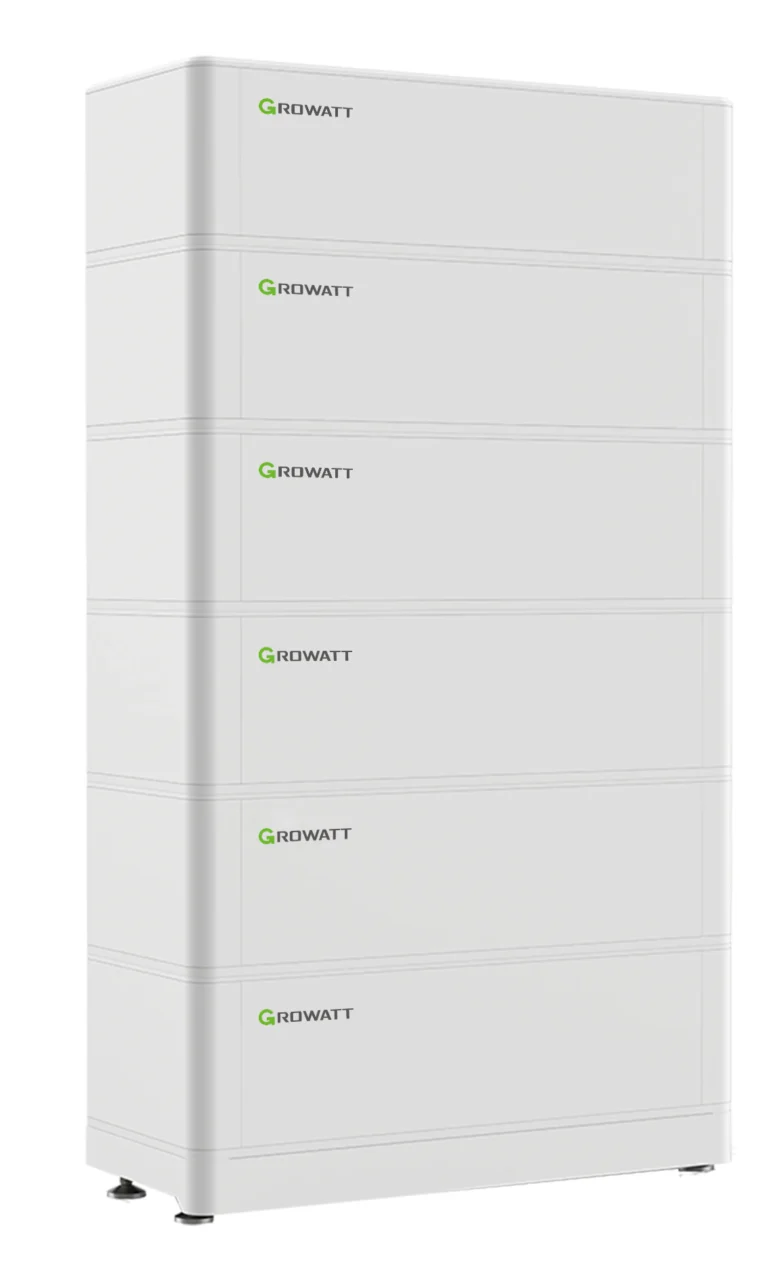
The scenario emerging from the July draft is as follows: small-scale balcony photovoltaics (within power and voltage limits) plus a small battery storage system in the apartment or on the balcony—all within a separate, simplified path. This is precisely the architecture of systems like Growatt NOAH: a compact battery compatible with a balcony micro-installation, modularly expandable, designed for apartments - its stacking and expansion limits are described in a separate article about NOAH 2000 and NEXA 2000.
However, until the regulation is published in the Journal of Laws, the principle of limited trust applies: the regulationmin The community's regulations may still be more restrictive than common law, the insurer may impose its own conditions, and the project's provisions may still change during committee meetings. We advise apartment building residents today to follow this sequence: written consent from the building manager → a kit that complies with the project limits (this is a future-proof choice, even before the regulations come into force) → photographic documentation of the installation. For the installer, keeping an eye on the RCL, as the differences between the project versions can be fundamental.
From practice: how to talk about regulations that are not yet in force
- In practice, in offers and conversations, separate three layers—what applies today (the 800W threshold, the Warehouse Act), what is a draft (WT 2026 limits), and what is a political announcement (the direction of liberalization). Mixing these layers is the shortest path to promises that the law won't back up.
- From practice: when selling balcony sets today, give preference to configurations that are within the project limits - a customer buying "for future regulations" will not come back with a complaint after September 20.
- From practice: offer communities and managers a short technical position paper instead of media links – one A4 page with project limits and legislative status secures approval faster than a week of correspondence.
- From practice: follow the project number in the RCL (12398903), not the headlines - subsequent versions managed to reverse the meaning of the regulations, and the headlines stay on the internet forever.
Frequently asked questions (FAQ)
Is balcony photovoltaics legal today without any permits?
For the operator, up to 800 W without notification. For the building, the manager decides: community regulations can be more restrictive than general law, and these should be checked before purchasing. After the implementation of WT 2026, technical limits will be added to the project for new developments.
Will I have to dismantle my existing kit after September 20, 2026?
Nothing in the reported provisions of the bill indicates this—the new technical requirements cover design, construction, and reconstruction, as well as non-functioning installations. A standard caveat: the final answer will be provided by the text published in the Journal of Laws, not by the discussions.
Can I install an energy storage system in my apartment today?
Formally, the barrier today isn't the WT (it's a draft), but the manager's consent, insurance conditions, and common sense fire safety. The July version of the draft provides a simplified path for small storage facilities on premises—a positive direction, but treat it as a preview until the regulation is published. For larger capacities, remember the statutory threshold of 30 kWh for simplified formalities.
Legal status described above: August 13, 2026, based on the draft in RCL and industry reports - before making an investment decision, check the current version on the website Government Legislation Centre (project 12398903) and discussing changes, e.g. on the website Gramgreen. The equipment for the balcony architecture with storage leads GROWATT NOAH 2000, and larger systems can be found in the category Energy storage; product documentation is published download center Growatt.